A complete guide for adult musicians who want to show up for their craft — consistently, sustainably, and without burning out.
Introduction: The Gap Between Wanting to Play and Actually Playing
You love music. You think about it all the time. You have half-finished songs on your phone, a guitar leaning against the wall, maybe even a piano collecting dust in the corner.
But when it comes to actually sitting down and practicing? Something always gets in the way.
Work. Kids. Fatigue. The feeling that you don't have enough time to do it properly — so why start at all?
If this sounds familiar, you're not alone. This is one of the most common struggles I hear from musicians at every level. And it has almost nothing to do with how talented you are, or how much you love music. It has everything to do with how you've set up your practice.
In this guide, I want to walk you through everything I've learned — from my own experience and from supporting musicians in The Music Room — about how to build a daily music practice that actually sticks. One that works with your life, not against it.
What you'll learn in this guide:
How much practice time you actually need
How to structure a 15–30 minute session
What to do when motivation disappears
How to avoid burnout
Why community changes everything

You don’t need a different life to make music. You need a practice that works with the life you already have.
1. Why Consistency Beats Talent (Every Time)
There's a persistent myth in music that some people are simply "born musical" — and that if you have to work hard at it, maybe it's not for you. This belief stops more musicians in their tracks than any lack of talent ever could.
Research strongly suggests that consistent, deliberate practice is one of the biggest predictors of musical improvement — rather than talent alone. Not hours of grinding. Not genius. Consistency.
A meta-analysis (Macnamara, Hambrick, & Oswald, 2014) published in Frontiers in Psychology found that deliberate practice strongly predicts musical achievement. [1]
What does that mean in practice? It means showing up — even on the days you don't feel like it. Even when you only have 10 minutes. Even when what comes out isn't pretty.
In many cases, the musician who practices 20 focused minutes each day will progress faster than the one who crams three unfocused hours once a week.
This isn't just about skill acquisition either. It's about identity. The more regularly you show up for your music, the more you begin to see yourself as someone who takes their creative life seriously — and that shift changes everything.
→ Related: What Is the Difference Between an Amateur and an Artist? (Hint: It's Not Skill)

Consistency isn’t glamorous. It’s messy mornings and doing your best.
2. How Much Practice Time Do You Actually Need?
Let's kill the biggest myth first: you do not need to practice for an hour every day to make meaningful progress.
The idea that anything less than a full session "doesn't count" is one of the most damaging beliefs in music education. It leads to all-or-nothing thinking — and when you can't do an hour, you do nothing at all.
The truth about practice duration:
15–20 minutes of focused daily practice is enough to build real skills over time
30 minutes is a sweet spot for most adult learners with full lives
60+ minutes is only necessary if you're preparing for performances or exams
Sporadic 3-hour sessions are less effective than short daily ones
What matters far more than duration is quality of attention. A 15-minute session where you are fully present, working on one specific thing, will always beat a distracted hour of noodling.
Quick Rule of Thumb:
Start with what you can commit to every day without fail. If 10 minutes is realistic, begin there. You can always extend — but you can't undo a broken habit.
→ Related: How to Structure a 15–30 Minute Music Practice Session (Backed by Science)
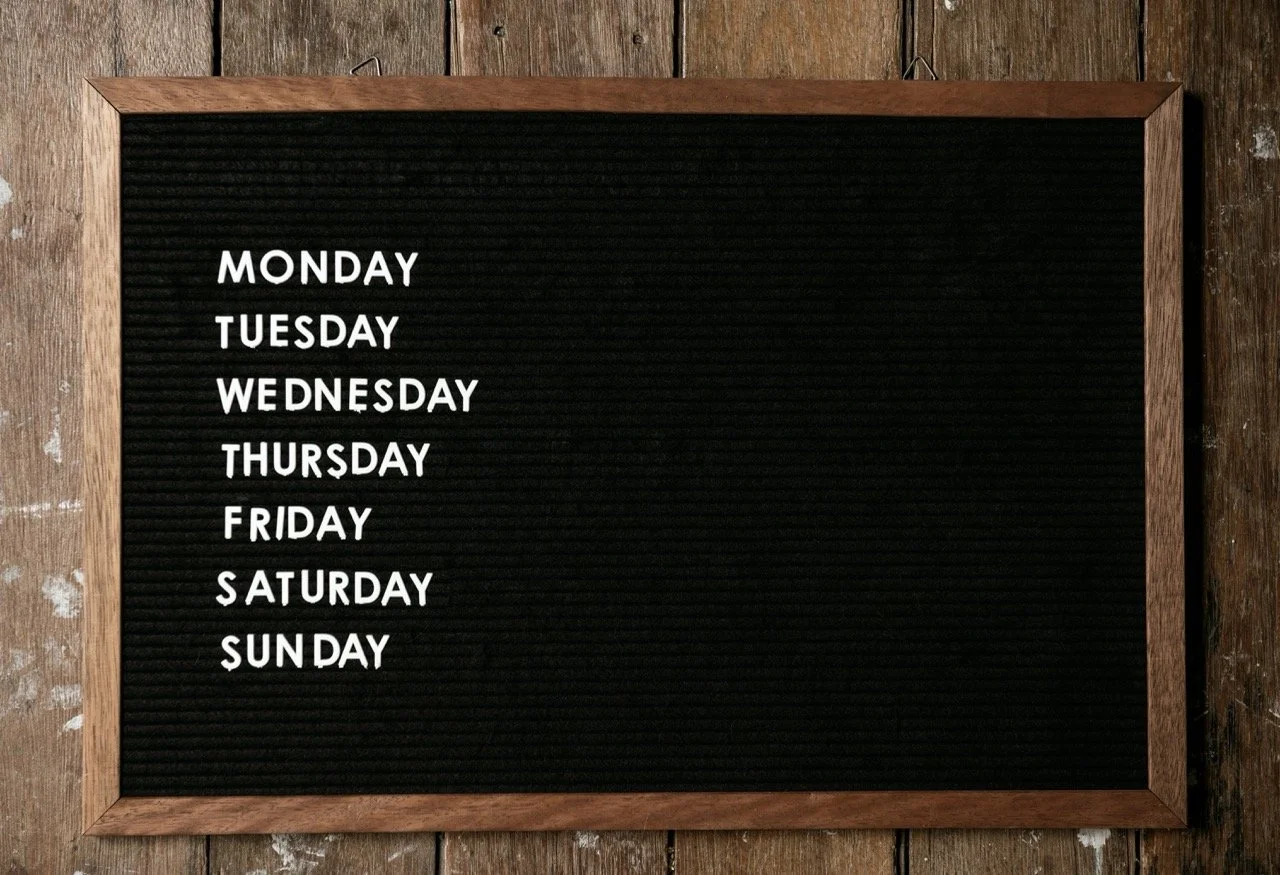
Start with what you can commit to every day without fail.
3. Slow Practice: The Foundation of Everything
If I had to name the single most underused technique in music practice, it would be slow practice. Not "a bit slower" — I mean genuinely, almost uncomfortably slow.
When we practice slowly, we give our nervous system the time it needs to actually learn the movements, the transitions, the nuances. We stop running on autopilot. We stop reinforcing mistakes.
Most musicians resist slow practice because it feels like going backwards. It doesn't feel productive. But here's what's actually happening: you are building the neural pathways that will allow you to play fast, clean, and reliably — without even thinking about it.
Speed is a result of accuracy. Accuracy is a result of slow practice.
Incorporate slow practice into every session, even for pieces you know well. Especially for pieces you know well. That's where the hidden errors live.
→ Related: Slow Practice: The Key to Consistent, Effective Musicianship
→ Related: The Power of Slow Practice: Why "Going Slow" Will Make You Faster

Slow First! When we practice slowly, we stop reinforcing mistakes.
4. How to Structure a 15–30 Minute Practice Session
One of the biggest reasons musicians don't practice isn't time — it's decision fatigue. You sit down, and then spend 10 minutes wondering what to work on. By the time you've decided, you've talked yourself out of it.
The solution is a simple structure you follow every time. Here's one that works:
The 15-Minute Session (minimum viable practice):
5 min: Warm-up — scales, breathing exercises, or a simple piece you know well
8 min: Focused work — one specific thing: a tricky chord transition, a phrase, a section
2 min: Free play — something just for joy, no pressure
The 30-Minute Session (recommended for growth):
5 min: Warm-up
10 min: Technical work — slow practice on something challenging
10 min: Repertoire — working on a full piece or song
5 min: Free play or improvisation
The key is to decide what you're working on before you sit down — ideally the night before. Treat it like homework. The more specific the better: not "practice guitar" but "work on the bridge of Song X at half-speed."
Some tips:
What helps me enormously is having a pool of around 20 exercises I can draw from for my warm-up. That way, I can choose the drill that feels most enjoyable that day, which lowers the barrier to starting and makes it much easier to begin.
Another helpful practice is keeping a practice journal. This can be digital or simply a notebook you enjoy using, where you jot down what you practiced and how the session felt the day before. Often, those notes give you a clear starting point for your next session.
→ Related: How to Structure a 15–30 Minute Music Practice Session (Backed by Science)
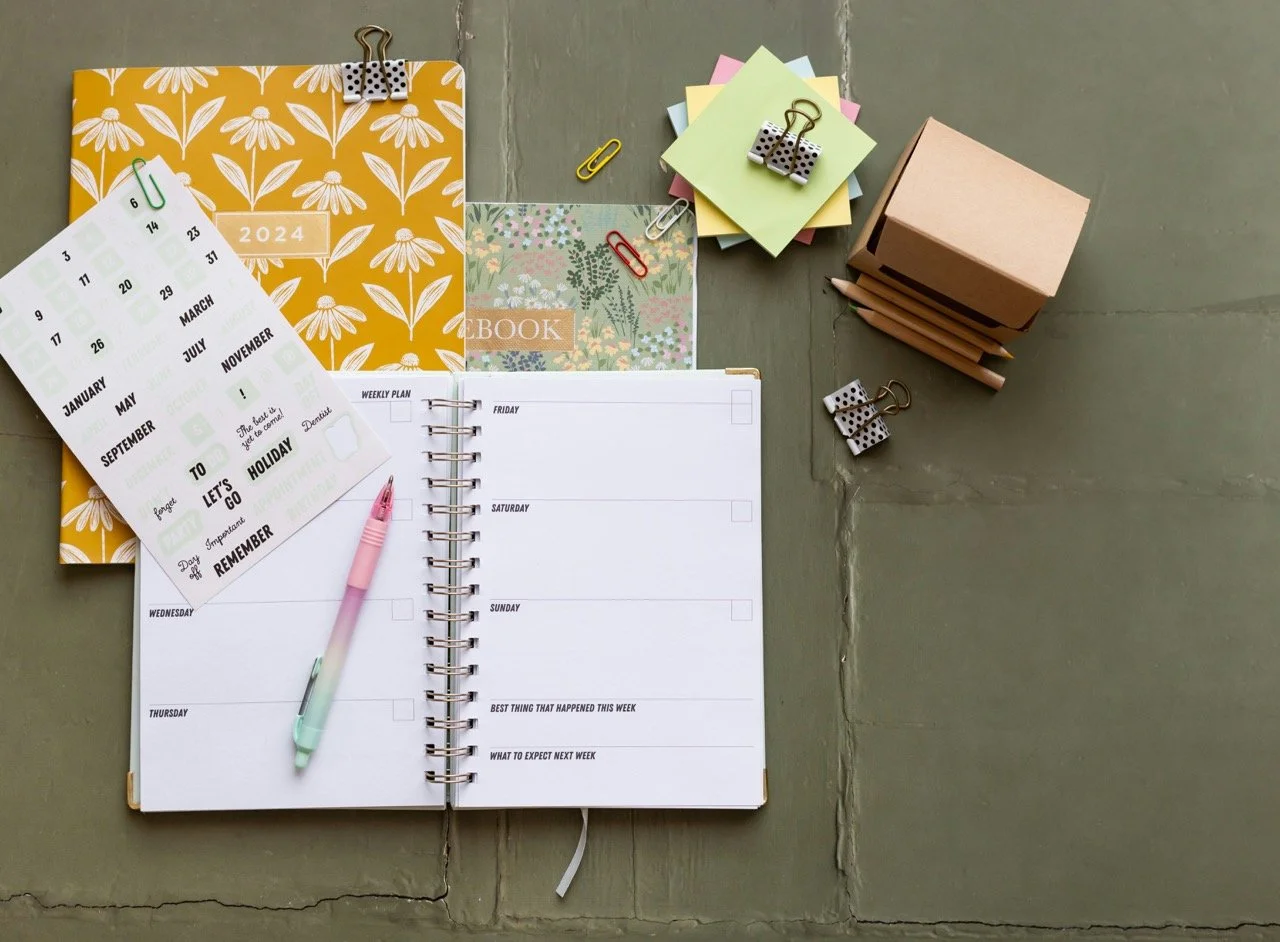
The musicians who keep going aren’t always more passionate — they’ve built systems that carry them.
5. What to Do When Motivation Disappears
Here's something no one tells you when you start building a creative practice: motivation is unreliable. It comes and goes. It can't be your only fuel.
The musicians who keep going aren't necessarily more passionate than the ones who stop. They've just built systems that carry them through the days when passion isn't there.
Strategies for the low-motivation days:
Lower the bar: commit to just 5 minutes. Most of the time, you'll keep going once you've started
Use habit stacking: attach practice to something you already do daily (coffee in the morning, winding down before bed)
Remove friction: keep your instrument visible and accessible — not in a case in a closet
Track your streaks: a simple calendar with an X for each practice day creates powerful visual momentum
Reconnect with your why: on hard days, play something you love just for the feeling of it
And on the days when you truly cannot? Don't spiral. One missed day isn't a failed practice. It's Tuesday. Show up tomorrow.
→ Related: Consistency Beats Inspiration: How Music Communities Keep You Creating

What stops most musicians isn’t lack of passion. It’s friction.
6. How to Build a Practice Without Burning Out
Creative burnout in musicians is real, and it's more common than we talk about. It often doesn't look like exhaustion — it looks like resentment. Suddenly the instrument you love starts to feel like an obligation. Like one more thing you're failing at.
This usually happens for one of three reasons:
You're practicing from guilt rather than genuine desire
You're never experiencing satisfaction — every session feels like you're not good enough yet
You're isolating yourself and carrying your creative life completely alone
Building a sustainable practice means designing for the long game. That means rest is part of the practice. Enjoyment is part of the practice. Imperfection is part of the practice.
A sustainable practice includes:
Scheduled rest days
Pieces you play just for joy
Room for bad sessions without judgement
Celebrating small wins
Honest reflection without harsh self-criticism
Notice when your inner critic starts running the show. The voice that says "that wasn't good enough" after every session isn't helping you grow — it's slowly eroding your relationship with music.
→ Related: How to Build a Sustainable Creative Practice (Without Burning Out)

The inner critic that says ‘not good enough’ isn’t helping you grow — it’s eroding your relationship with music.
7. The Role of Community in a Consistent Practice
There's a widespread belief in music that the path is a solo one. That you practice alone, you struggle alone, you figure it out alone. Independence is seen as strength.
But here's what I've seen again and again: the musicians who thrive long-term are rarely the ones working in isolation. They have people. A teacher. A community. Someone who asks "how did your practice go this week?"
Accountability changes things. When someone is expecting to hear about your progress, you show up differently. When you're in a community of people who understand what it means to carve out space for music in a full life, you feel less alone with the struggle.
This doesn't have to mean expensive lessons or formal ensembles. It can mean a small practice circle. A friend you check in with. An online community where you share your wins and your questions.
The point is: you don't have to do this alone. And you'll probably go further if you don't.
→ Related: The Hyperindependent Musician: How 'I Don't Need Anyone' Is Quietly Killing Your Art

You don’t have to do this alone. And you’ll probably go further if you don’t.
Frequently Asked Questions About Daily Music Practice
How long should I practice music each day?
For most adult musicians, 15–30 minutes of focused daily practice is enough to see meaningful progress. Quality of attention matters more than duration. A consistent 20-minute session every day will outperform a sporadic 2-hour session on weekends.
What should I practice in a short session?
Choose one specific thing to work on — a tricky passage, a chord transition, or a technique. Avoid trying to cover everything. Short, focused sessions around a single goal are far more effective than scattered, unfocused longer ones.
How do I stay consistent with music practice?
Build a routine by attaching practice to an existing daily habit (habit stacking). Keep your instrument visible and accessible. Decide what you'll work on before you sit down. Track your sessions. And lower the bar on hard days — even 5 minutes counts.
Is it okay to miss a day of practice?
Yes. One missed day doesn't break a habit. What matters is how quickly you return. Don't let a missed day become a missed week by spiraling into guilt. Acknowledge it, and show up the next day.
How do I practice music when I have no motivation?
Start small. Commit to just 5 minutes. Once you've started, momentum usually carries you further. On days when it truly doesn't — play something you love just for the pleasure of it. Reconnecting with joy is a form of practice too.
Can I learn music as an adult?
Absolutely. Adult learners bring qualities that children don't: focus, emotional depth, and clear personal motivation. The learning curve might look different, but adults are fully capable of making meaningful progress as musicians at any age.
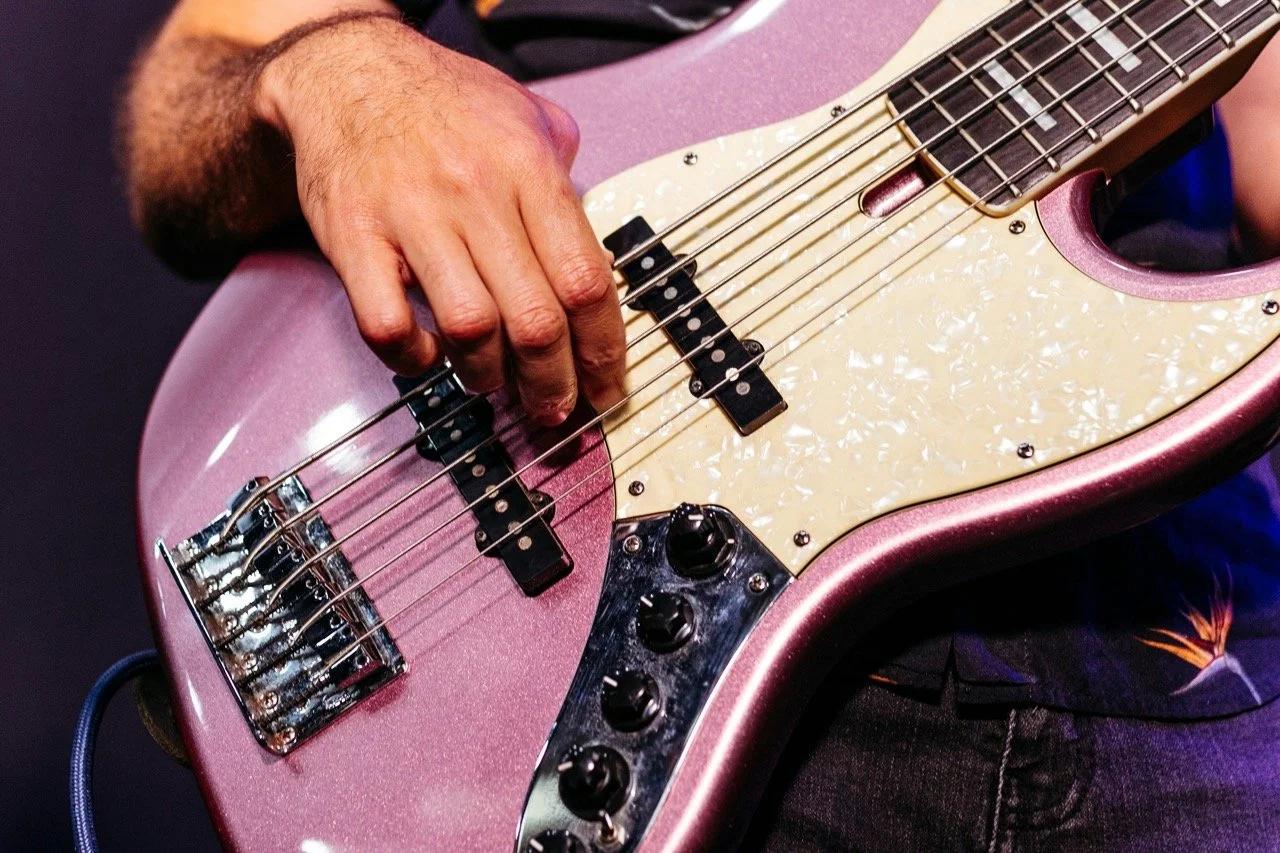
Like any relationship, it requires showing up. Even imperfectly. Especially imperfectly.
Final Thoughts: Your Practice Is a Relationship
Building a daily music practice isn't about willpower or discipline in the punishing sense. It's about building a relationship — with your instrument, with your craft, with the part of yourself that needs to create.
Like any relationship, it requires showing up. Even imperfectly. Especially imperfectly.
You don't have to have it all figured out. You don't need to practice for hours every day. You don't need to be ready. You just need to start — and to keep choosing to come back.
The musical life you want is built one small session at a time. And you're already closer than you think.
Ready to build your practice with support?
The Music Room is my space for musicians who want to show up for their craft — with community, structure, and a place that holds you accountable.
References
[1] Macnamara, B. N., Hambrick, D. Z., & Oswald, F. L. (2014). Deliberate practice and performance in music, games, sports, education, and professions: A meta-analysis. Frontiers in Psychology, 5, 1–20.