How to Find Your Authentic Creative Voice (Without Copying Others)
Finding your authentic creative voice means expressing ideas, emotions, and perspectives that are genuinely yours — shaped by your experiences, values, and taste — rather than imitating what you think will be accepted or successful.
It is not something you "discover" overnight. It is something you build through awareness, experimentation, and honesty – and yes, vulnerability and the willingness to make mistakes and sound like a beginner.
From Imitation to Something Real
When I first started making music, I constantly felt like my voice wasn’t enough.
I was a huge fan of Nessi Gomes and deeply inspired by how dynamic and expressive her voice is. Every time I listened back to my own recordings, I felt disappointed. My voice sounded flat. Superficial. Like something was missing.
So I tried to “fix it”.
I started layering things on top — adding dynamics, textures, stylistic elements I admired in other artists. I thought I was “improving” my voice.
But in reality, I was covering it.
I only realized what I was doing when a friend asked me to play at a psychedelic ceremony — and specifically requested that I sing in a “non-flamboyant” way.
That hit me.
It made me realize that what I though was expression… might actually be imitation.
And that raised a much deeper question:
How do I actually find my real creative voice?
Four years later, I feel like I have an answer — not a perfect one, but a real one. And this article is everything I wish I had understood earlier.
Although I’ll be speaking mainly about finding my authentic singing voice in this article, the same truth applies to every art form — whether it’s discovering your natural painting style, your distinct way of writing poetry, or any creative expression that feels unmistakably your own.
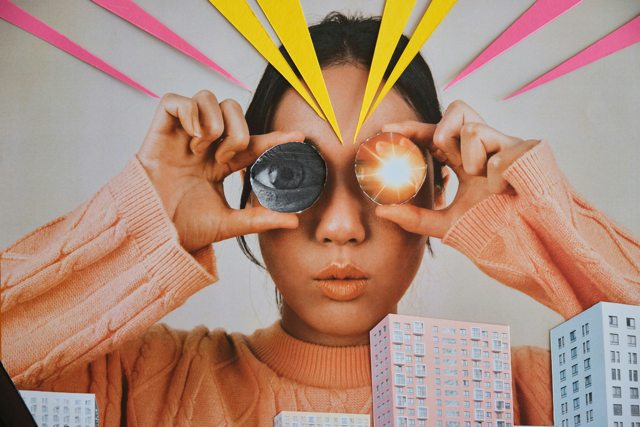
out there, waiting to be discovered: Your Authentic Creative voice.
What “Authenticity” Actually Means (And What It Doesn’t)
Authenticity is one of the most overused words in the creative world — and also one of the most misunderstood.
What authenticity IS:
A reflection of your real thoughts, emotions, and perspective
Influenced by others, but not dependent on them
Evolving over time
Sometimes uncomfortable or imperfect
What authenticity IS NOT:
Being 100% original (that’s impossible)
Never being influenced by others
Always feeling confident or clear
A fixed identity you "arrive at"
Authenticity is not purity.
It’s honesty—especially in the moments where it would be easier to perform instead.

Authenticity is not purity. It’s honesty — especially when it would be easier to Hide behind performing.
Why Some Artists Feel “Fake” (Even When They’re Talented)
If you’ve ever felt like a fraud or like you’re copying others, you’re not alone.
Here’s why this happens:
1. You consume more than you create
When your input outweighs your output, your brain defaults to imitation.
2. You’re trying to be liked
The moment you prioritize approval, your expression becomes filtered.
3. You haven’t defined your taste yet.
Your voice is shaped by what you love—and many artists skip this step.
4. You’re afraid to be seen clearly
Authenticity requires exposure. And exposure feels risky.
Feeling "fake" is not a failure.
It’s a phase almost every artist goes through — including me.
The 4 Stages of Finding Your Creative Voice
Your creative voice doesn’t appear fully formed. It develops in stages.
Stage 1: Imitation
You copy styles, ideas, and formats you admire.
This is exactly where I was when I tried to sound like other artists instead of listening to what my own voice naturally wanted to do.
This stage is not a problem — it’s training.
Stage 2: Experimentation
You start mixing influences, trying different directions.
This stage often feels chaotic and inconsistent. You might feel like you’re “all over the place.”
That’s actually a good sign.
Stage 3: Differentiation
You begin to notice patterns in what you create.
You start asking:
What do I naturally gravitate toward?
What feels like "me"?
What feels forced?
For me, this meant stripping things away instead of adding more.
Stage 4: Integration
Your creative voice becomes recognizable.
Not because you forced it — but because you stopped overriding it.

Your creative voice doesn’t emerge by adding more — it emerges when you stop interfering with it.
Practical Exercises to Find Your Authentic Voice
These exercises are where real progress happens.
1. The Taste Audit
Write down:
10 artists you love
What exactly you love about each
Then look for patterns.
Your creative voice as an artist lives in those patterns — but it won’t look identical to any of them.
2. Create Before You Consume
For 7 days:
Don’t scroll before creating
Make something first, every day
This single shift helped me more than I expected.
It forced me to listen inward instead of outward.
3. The “Unfiltered” Practice
Create something you would normally hesitate to share.
Don’t polish it. Don’t optimize it.
Just express it.
This is uncomfortable — but it’s where your real voice as a creative starts showing up.
4. Constraints Exercise
Limit yourself intentionally:
One painting / vocal / narrating style
One emotional tone
One theme
Instead of adding more, go deeper into less.
This is something I wish I had done earlier instead of layering things on top.
5. Inner Voice Journaling
Ask yourself daily:
What am I thinking that I’m not saying?
What do I actually believe about this?
Write without editing.
This strengthens the connection between your inner voice and your creative output.

My voice doesn’t sound like the artists I admire — and that’s exactly why it’s mine.
Mistakes That Keep You Stuck
1. Waiting to feel "ready"
Clarity comes from action, not preparation.
2. Chasing trends
Trends can teach you — but they can also dilute you.
3. Over-polishing everything
Perfection hides your real creative voice.
4. Comparing constantly
Comparison shifts your focus outward instead of inward.
5. Expecting fast results
Your voice is built through volume, through repetition, not one breakthrough.

I used to think something was wrong with my Music — until I realized I was just trying to make it look like someone else’s.
Frequently Asked Questions
How long does it take to find your creative voice?
It depends on how much you create. For most people, it takes months to years — not because it’s difficult, but because it requires consistency and honesty.
Can you be original anymore?
Yes — but originality doesn’t mean being completely new.
It means combining influences in a way only you can.
What if I feel like everything I make is bad?
That’s part of the process.
Your taste develops faster than your skills.
Keep going.
How do I know if I’m being authentic or just copying?
A simple test:
Does it feel like you’re expressing — or performing?
Your body usually knows the difference.
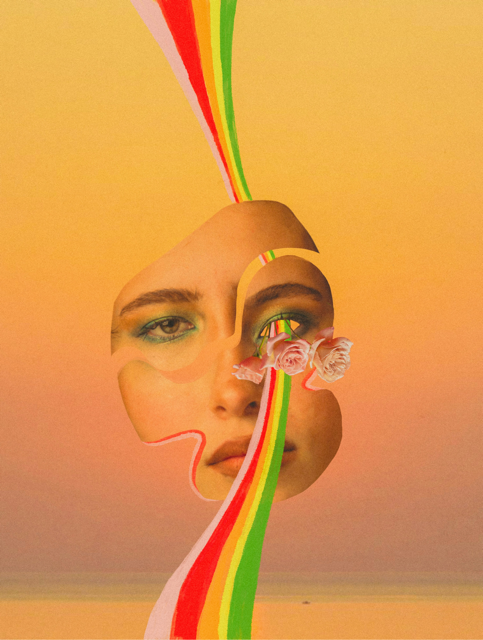
I stopped scanning the Audience for reactions — and started feeling at home in my own Music, in my authentic creative voice.
Final Thought
Your authentic voice as a creator is not something you need to chase.
It’s something you uncover by removing what isn’t you.
For me, this process is still ongoing.
Finding my authentic singing voice — and the style of music I love — has become a continuous conversation with myself. It’s not something I “figured out” once. It’s something that keeps evolving as I do.
But something has fundamentally shifted.
When I sing now, I feel at home in my body.
I’m not scanning the room for people’s reactions.
I’m not trying to adjust myself to be liked.
I’m no longer ashamed to sing high notes or to sing loudly with a lot of energy — because I’ve realized that this powerful, activating quality is actually one of my strengths.
My voice doesn’t create the same deep introspection that I admire in artists like Nessi Gomes. Instead, it tends to move people outward — to energize, to activate.
And that’s okay.
That’s where I stand with my voice today.
And this doesn’t just apply to singing.
I see it in how I write. In how I design. In how I express myself across everything I create — from blog posts to the visual language of my website.
It’s all an extension of me.
And I can honor that — even when it looks completely different from what others are doing.
Create more.
Filter less.
Pay attention.
That’s how your voice emerges.
Need More Support with AUthenticity? Some Helpful Reads
This article is part of an ongoing series on sustainable creative practice, musician burnout, and the inner life of making music. You may also enjoy:
The Artist of Your Dreams Is Not Perfect — Just Honest
Bridging the Gap Between Taste and Skill as a Musician: How to Work Through Frustration
The Art of Being a Beginner: How to Build Skill and Enjoy The Process as a Musician