Why Daily Music Practice Beats Long Weekly Sessions (Even If It's Just 10 Minutes)
A personal and practical look at why consistency is the single most powerful thing you can invest in as a musician — and how I learned this the hard way.
The Mistake I Made in My First Year of Playing
When I started playing guitar seriously, I made a decision that felt responsible at the time: two hours of practice, every single day. No exceptions.
And for stretches of time, I actually did it. Ten days in a row, sometimes more. I logged the hours, worked through exercises, built repertoire. It felt like real commitment.
But then one day I'd miss the two hours. Maybe life intervened, maybe I was tired, maybe I just couldn't make it work. And something strange would happen: instead of practicing for one hour, or thirty minutes, or even ten — I'd do nothing. The moment I couldn't hit the target, the whole day became a write-off.
Then the write-off day became a write-off week. Then two weeks. And when I finally came back, it was with the heavy feeling that I needed to catch up — which meant recommitting to two hours a day — which I'd sustain for another ten days before the cycle repeated.
I spent my first year trapped in that loop. All or nothing, over and over. By the end of it I had practiced maybe 600 hours in total — but scattered across frantic bursts separated by long silences, with burnout waiting at the end of each sprint.
What I eventually understood — and what I want to share with you here — is that the two-hour goal wasn't ambitious. It was fragile. The moment it couldn't be met perfectly, it collapsed entirely. And what I actually needed wasn't more discipline. It was a lower bar that I could clear on every kind of day — the good ones and the hard ones both.
What I learned the hard way is this: in music practice, frequency beats duration. Ten minutes every day will take you further than two hours once a week. And the reason why is more interesting than you might expect.

Why Daily Practice Is More Effective Than Long Weekly Sessions
Daily practice is more effective than long, infrequent sessions because of how the brain consolidates motor learning — and it happens during rest, not during practice itself.
Here's what the research shows: when you learn a new motor skill — a chord transition, a rhythmic pattern, a phrase — your brain begins encoding it through a process called memory consolidation. This process continues long after you've put the instrument down, and it depends heavily on time and sleep to complete. Neuroscientist Matthew Walker, whose research on sleep and learning is among the most cited in the field, found that a full night of sleep after practicing a motor skill produced a 20–30% improvement in performance the following day — with no additional practice. [1] The brain was learning while the body was resting.
This phenomenon is known as offline learning — and it means that the gaps between your practice sessions are not empty time. They are when a significant part of the actual learning happens. [1]
A second key concept is spaced practice, or the spacing effect — one of the most robust findings in cognitive science, documented since Hermann Ebbinghaus's memory research in the 1880s [2] and replicated hundreds of times since. The principle is straightforward: skills learned across multiple spaced sessions are retained far better than the same material crammed into a single block of time. Psychologist Frank Dempster, reviewing decades of spacing research, called it "one of the most dependable and replicable phenomena in experimental psychology" — and noted that it remains chronically underused in real-world learning. [3]
Applied to music: a musician who practices for 20 minutes every day is giving their brain seven consolidation windows per week — seven cycles of offline learning, seven nights of sleep to lock in what was worked on. A musician who practices for two hours once a week gets one.
This is why the same total number of practice hours can produce dramatically different results depending on how they're distributed. It's not just about how much time at the instrument you spend. It's about how many times your brain gets to consolidate what it learned.

The brain learns during the gaps between sessions. Consistency isn't just a habit — it's a neurological strategy.
The math that surprised me
Let's look at two practice approaches side by side:
Player A: 10 minutes every day for one year = 3,650 minutes (roughly 61 hours)
Player B: 2 hours every day for one month, then nothing = 3,600 minutes (exactly 60 hours)
Nearly identical total hours. But what happens inside those hours is completely different.
Player A's learning spreads across 365 sessions — which means 365 consolidation windows, 365 nights of sleep working to encode and strengthen what was practiced that day. [1] Each session builds on a brain that has already processed the last one. The spacing effect is doing its work continuously, week after week, for an entire year. [3]
Player B gets 30 consolidation windows — clustered together in a single month, with no further reinforcement after that. Without continued spaced practice, the skills that formed during those 30 days begin to decay. Ebbinghaus documented this pattern in his forgetting curve research as far back as 1885: memories and motor patterns that aren't revisited fade predictably over time. [2]
Same hours. Completely different outcomes — not because one player worked harder, but because one player's brain had 335 more chances to consolidate what it learned.
I didn't understand this when I started. I thought hours were hours, and that the distribution didn't matter. It matters more than almost anything else.

Reinforcement cycles are what push your identity as a musician forward.
How Consistent Practice Shapes Your Identity as a Musician
There's a benefit to daily practice that goes beyond skill acquisition — and it's one that took me a long time to notice.
When you practice every day, even briefly, you begin to see yourself differently. Not as someone who "plays a bit" when they have time, but as someone who shows up for their music. That identity shift — quiet and gradual as it is — changes everything about how you relate to your instrument.
Each time you pick it up, even for ten minutes, you're reinforcing a simple message to yourself: I am someone who does this. I am a musician.
Sporadic practice doesn't produce this effect. When you only play in occasional long bursts, music stays in the category of "things I do when I have time" — which means it's always at the mercy of everything else competing for your attention. Daily practice moves it out of that category entirely.
Daily practice doesn't just improve your playing. It changes who you are in relation to your music.

Daily Practice moves music from "Things I do when I have time" to “I am a musician”.
This is also why identity-based habit building works so well for musicians. Instead of setting a goal ("I want to learn this song"), you set an identity intention ("I am someone who practices every day"). The goal follows naturally from the identity — and the identity is built through the daily action, not the other way around.
Why Setting a Low Bar Works Better Than Ambitious Practice Goals
Committing to just 10 minutes a day sounds almost too modest to be worth mentioning. And yet it's consistently more effective than committing to an hour — for a reason that's more psychological than musical.
When the bar is high, the days when you can't clear it become failures. And failed days accumulate into a pattern of avoidance. You start skipping practice not because you don't care, but because you've unconsciously learned that sitting down means disappointing yourself.
When the bar is low, no day is a failure. Ten minutes is almost always achievable — when you're tired, when you're busy, when you're travelling, when you're not in the mood. And crucially: once you've sat down for ten minutes, you almost always keep going.
The psychological principle at work:
Starting is the hardest part. A 10-minute commitment removes the friction of starting — and friction, not time, is what kills most practice habits.
I now think of the 10-minute commitment not as a floor for lazy days but as a daily minimum that protects the habit. On good days I practice for much longer. On hard days I practice for ten minutes. Either way, I showed up — and that's what the habit is built on.
What Burnout Actually Taught Me About Practice
I mentioned at the start that my first year of intensive practice ended in burnout. I want to be more specific about what that looked like, because I think it's more common than musicians admit.
It wasn't exhaustion in the physical sense. It was a kind of disconnection. The music stopped feeling like mine. I was practicing to hit a number, not to develop a relationship with the instrument. Two hours a day had become a metric rather than a practice — and at some point I realized I couldn't remember the last time I'd played something just because I wanted to.
What I've built since then looks completely different. Shorter sessions, more consistently. A practice journal that helps me arrive knowing what I'm working on, rather than spending the first ten minutes deciding. Time built in for free play — for playing something simply because it's beautiful, with no goal attached.
The difference isn't just in the habit. It's in the relationship. And that, I think, is what consistent, sustainable practice is really building.

Burning out on music doesn't mean you love it less. It often means you stopped leaving room for why you loved it in the first place.
How to Build a Daily Music Practice That Actually Sticks
If you want to shift toward daily practice, the most important thing is to design for your real life — not for an ideal version of it.
Start smaller than feels necessary. Ten minutes is a real commitment. Start there.
Decide what you'll practice before you sit down — ideally the night before. Decision fatigue at the moment of starting is one of the most common reasons sessions get skipped.
Attach practice to something you already do daily. After morning coffee. Before bed. The habit piggybacks on an existing anchor.
Keep your instrument visible and accessible. The more barriers between you and playing, the less you'll play.
Track your sessions — even simply. A calendar with an X for each practice day makes consistency visible and motivating in a way that memory alone doesn't.
The goal isn't a perfect streak. It's a practice that you return to reliably — even after the days when you miss.
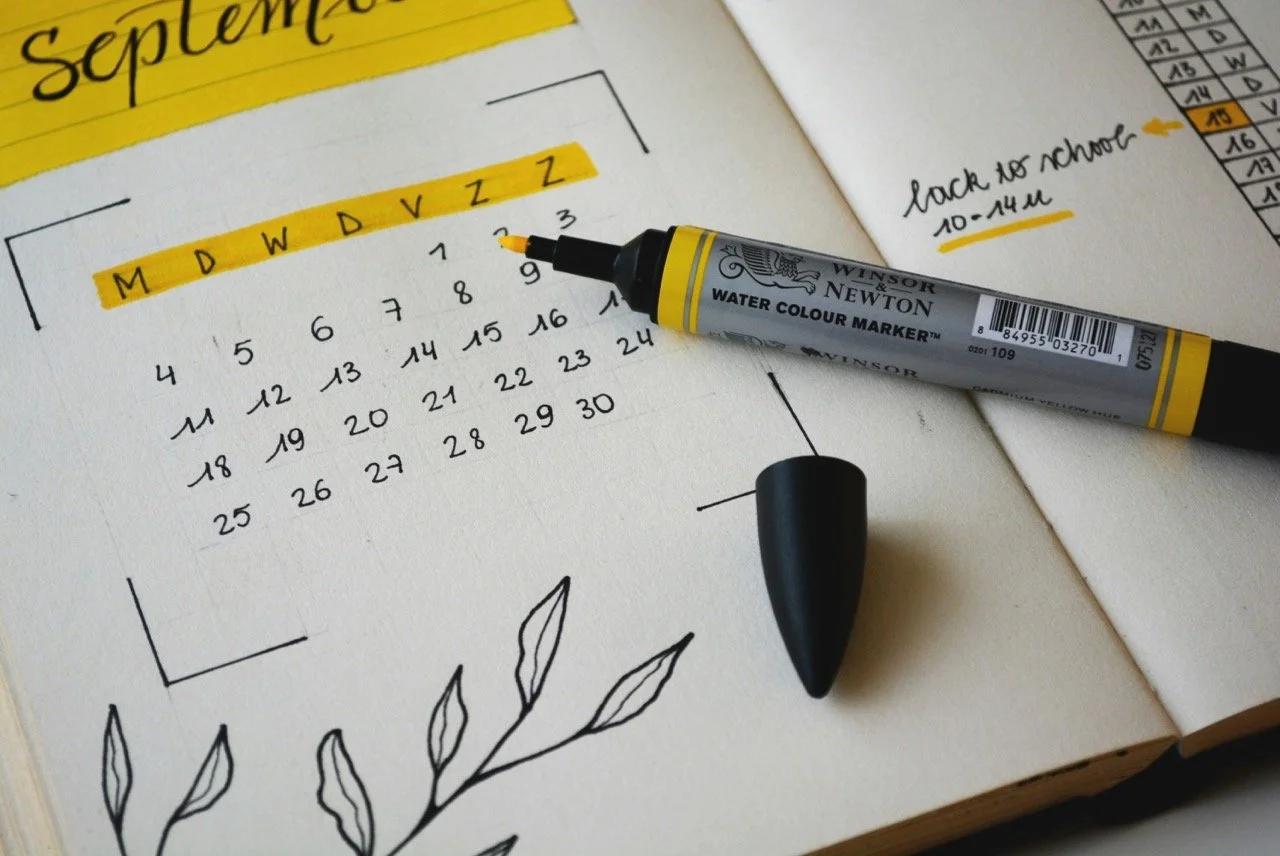
In the early stages protecting a daily practice rhythm matters more than practice length.
Frequently Asked Questions About Daily Music Practice
Is 10 minutes of music practice a day enough?
Yes — especially in the early stages of building a habit. Ten minutes of focused daily practice is enough to develop motor memory, build consistency, and make meaningful progress in the beginning. The key word is daily: ten minutes every day is far more effective than an hour once a week, because the brain consolidates learning between sessions. As your practice habit becomes stable, you can extend the duration — but protecting the daily rhythm matters more than the length.
How often should you practice an instrument?
Daily practice is the most effective frequency for skill development, because motor memory and musical intuition build through repeated, spaced reinforcement. If daily isn't realistic, aim for a minimum of five days per week. Fewer than that makes it difficult to maintain continuity — each session feels like starting again rather than building on the last.
Why is daily practice better than practicing once a week?
Daily practice creates more consolidation windows — the periods between sessions when the brain encodes and strengthens what was learned. A musician who practices for 20 minutes every day gets seven consolidation cycles per week. A musician who practices for two hours once a week gets one. Over months, this difference compounds significantly. The same total hours produce better results when distributed across more frequent sessions.
How long does it take to build a music practice habit?
Research on habit formation suggests that new behaviours become automatic after roughly 60–90 days of consistent repetition — though this varies considerably by person and complexity. For music practice, the critical period is the first three to four weeks: if you can maintain a daily habit through that window, the friction of starting drops significantly and the practice begins to feel like a natural part of your day rather than a decision.
What happens if you skip music practice for a week?
One missed week is not catastrophic — especially once you have an established practice. Some motor memory will soften, and re-entry may feel slightly harder, but the foundation remains. What matters is returning quickly and without self-punishment. The musicians who sustain long-term practices aren't the ones who never miss — they're the ones who come back consistently after they do.
Can you make progress with short practice sessions?
Yes. Short, focused sessions — 10 to 20 minutes of genuinely intentional practice — produce real, measurable progress. The quality of attention matters more than duration. A 15-minute session where you work deliberately on one specific challenge will consistently outperform a distracted hour of running through material you already know.
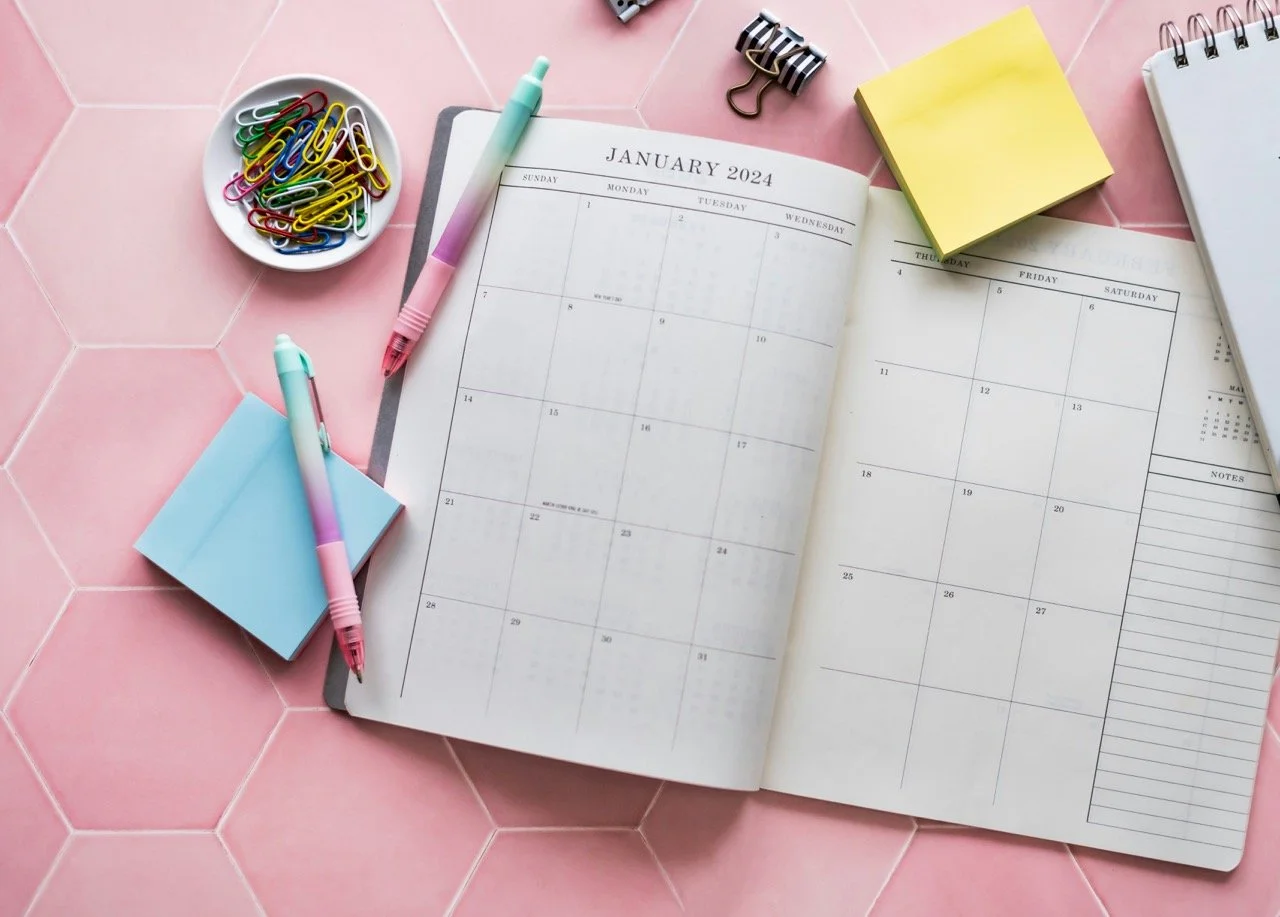
Track your sessions — A calendar with an X for each practice day makes consistency visible.
The Practice That Lasts
The musicians I most admire aren't the ones who practiced the hardest for the shortest time. They're the ones who kept showing up — day by day, in whatever time they had, through the seasons when it was easy and the seasons when it wasn't.
That kind of practice doesn't require two hours a day. It doesn't require a perfect streak or a heroic level of discipline. It doesn't require that you always feel motivated, or inspired, or even particularly good at the thing you're doing.
It just requires ten minutes. Almost every day. For a long time.
I spent my first year chasing a goal that collapsed the moment life got in the way. What I've built since then is something quieter — and far more durable. Not a sprint with burnout at the finish line. A practice I can actually live inside.
That's the whole secret. And now you have it too.

The Whole Secret to Becoming a Skilled musician? Showing Up Almost every day.
Ready to build your practice with support?
The Music Room is a space for musicians who want to show up for their craft — with community, structure, and a place that holds you accountable.
Read Next
This article is part of an ongoing series on sustainable music practice, habit formation, and the musician's inner journey.
How to Build a Daily Music Practice (Even If You Have No Time)
How to Structure a 15–30 Minute Music Practice Session (Backed by Science)
The Power of Slow Practice: Why "Going Slow" Will Make You Faster
The 700-Hour Experiment: What Happens When You Treat Musik Like a Serious Investment
References
[1] Walker, M. P., Brakefield, T., Morgan, A., Hobson, J. A., & Stickgold, R. (2002). Practice with sleep makes perfect: Sleep-dependent motor skill learning. Neuron, 35(1), 205–211. https://doi.org/10.1016/S0896-6273(02)00746-8
[2] Ebbinghaus, H. (1885). Über das Gedächtnis [Memory: A Contribution to Experimental Psychology]. Duncker & Humblot.
[3] Dempster, F. N. (1988). The spacing effect: A case study in the failure to apply the results of psychological research. American Psychologist, 43(8), 627–634. https://doi.org/10.1037/0003-066X.43.8.627